

In the second half of the 19th century and early part of the 20th century, Italians and Sicilians in America suffered from extreme racial prejudice.
Italian immigrants were generally recognized as “White” under U.S. law; thus, they were entitled to citizenship. However, socially, many Americans saw them as racially inferior or as being outside of pure “Whiteness.”
What did it mean to be “non-White” then?
Back then, ideas about Whiteness were a little different than today’s racial classifications. Many Americans thought that White Europeans could be categorized into distinct races. Northern European and Anglo-Saxon people were typically considered at the top of these artificial racial classification systems. At the bottom were southern and eastern European people who were deemed racially inferior.
Many proponents of these beliefs claimed that Italians (and other Mediterranean peoples) were less intelligent than Anglo Whites, more likely to commit crimes, unhealthier and/or less capable of thriving in American society.
These beliefs were based upon racism disguised as science — i.e., pseudo-scientific racial theories and not real biological differences.
When it came to discrimination, Southern Italians were often singled out most. Their darker complexions, Roman Catholic faith, economic struggles, different languages and customs, and concentration in low-paying jobs made them frequent targets of prejudice. Nativists frequently interpreted all of these factors as indicative of “racial inferiority.”
Legal Status vs. Daily Life
In the post-Civil War South where Jim Crow laws had been enacted to strictly enforce racial segregation among Whites and Blacks, the lines dividing racial groups were especially sharp. As a result, Italian and Sicilian immigrants often found themselves in limbo. For instance, due to their frequent contact with Black workers and communities, many (Anglo) White officials and residents questioned whether Italians should fit anywhere in the established White racial hierarchy.
And prejudice against Italian immigrants extended well beyond the basic name-calling.
Yes, many Italian immigrants endured slurs such as “dago”, “guinea,” “wop”. And many were discriminated against in hiring practices, renting homes and apartments, attending schools, joining labor unions and patronizing public facilities.
There was also violence toward Italian immigrants and citizens of Italian heritage. Probably the most notable instance of this occurred in New Orleans in 1891 when a lynch mob killed eleven men of Italian descent.
Over time, Italian Americans began to be included within the American definition of Whiteness in greater numbers over the course of the 20th century. This change in American thinking regarding social and racial identity was largely due to changes in how Americans understood their own identities and how we viewed each other.
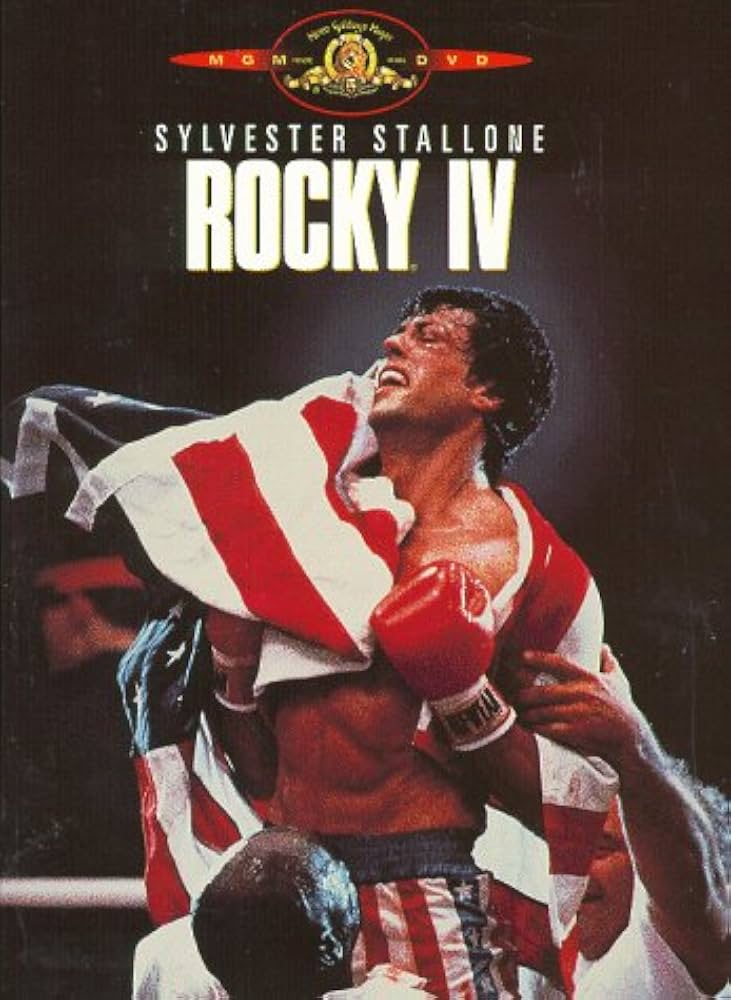
Who remembers the fictional Italian Stallion (Rocky Balboa)? Today in the U.S., having Italian ancestry is often considered cool.
Facts About Italian Racism in America
1. Italian immigrants were victims of lynching. More than 20 Italians were lynched in the United States during the 1890s alone. The most notorious case occurred in New Orleans in 1891, when a mob broke into a jail and killed 11 Italian men after several had been acquitted in court.
2. Anti-Italian stereotypes portrayed immigrants as criminals. Newspapers, politicians, and nativist groups frequently associated Italians—particularly Sicilians—with violence, organized crime, ignorance, and disease. These stereotypes helped justify hostility and discrimination against entire Italian-American communities.
3. U.S. immigration policy was designed partly to reduce southern European immigration. The Immigration Act of 1924 used national-origin quotas based largely on the 1890 population, sharply restricting immigration from newer source countries such as Italy while favoring northern and western Europeans. Italy itself protested that the quota system discriminated against Italians.
4. Anti-Italian prejudice could include employment, religious, and social discrimination. Italian immigrants often encountered hostility because of their Catholicism, poverty, language, customs, and willingness or necessity to work in low-paying occupations. Italian Catholic churches and charities were sometimes vandalized or burned, while mobs physically attacked Italian communities.
Popular Italian-Americans Throughout U.S. History
Rudolph Valentino
Frank Sinatra
Joe DiMaggio
Fiorello La Guardia
Enrico Fermi
Vince Lombardi
Rocky Marciano
Yogi Berra
Martin Scorsese
Francis Ford Coppola
Mario Cuomo
Antonin Scalia
Nancy Pelosi
Madonna
Lady Gaga