If you’re old enough to remember the 1990s, you’re old enough to remember when weed was still kind of taboo in some circles. Although it was a bit trendy at the time , many of us called users of weed potheads and druggies.
Remember how rappers, like Snoop Dogg, used to incorporate pot in their songs? How many remember How High with Method Man?
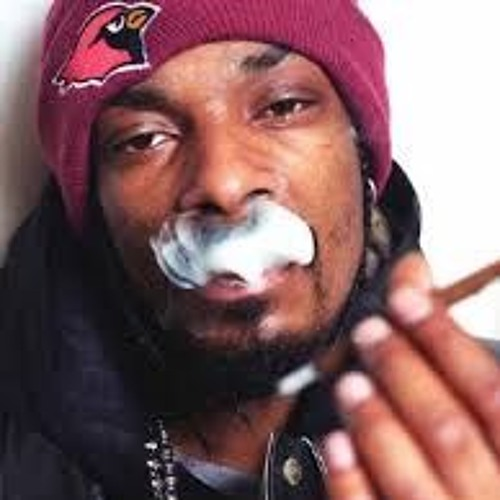
Smoking marijuana/cannabis/weed/pot/Mary Jane, although not on the same level as heroin and cocaine, was still viewed as highly risqué and rebellious back then. So yeah, there was a much higher stigma associated with it.
How things have changed.
Today in the U.S., weed is legal for recreational use in 24 states and Washington, D.C. Additionally, 40 states have legalized cannabis for medical use. Moreover, it no longer has the same negativity associated with it as it did in the past. Obviously, there’s still some. But it’s far more accepted today in the U.S. and worldwide.
Cannabis Users – Global Figures, per the World Drug Report 2026
North America: 69.3 million
Asia: 68.5 million (including 32 million in South Asia)
Africa: 65.1 million (including 33.5 million in West and Central Africa)
Europe: 31.3 million (including 26.9 million in Western and Central Europe)
South America: 15.7 million
Oceania: 3.5 million
Per the United Nations Office on Drugs and Crime (UNODC) World Drug Report 2026, cannabis is currently the most popular substance globally for drug use, with an estimated 256 million cannabis users in 2024; this number has increased by 40% in just ten years, and the percentage of the population using cannabis has also grown, from 3.8% in 2015 to 4.8% in 2024.
Overall Drug Use – Global Figures, per the World Drug Report 2026
Cannabis/Weed/Pot/Marijuana – 256 million
Opioids – 63 million
Amphetamines – 32 million
Ccocaine – 25 million)
Ecstasy – 21 million
There have been several key trends related to the rise of cannabis consumption. First, we’ve seen increasing normalization of cannabis use in some parts of the world, particularly in North America where many countries have legalized its recreational or medicinal use. Second, there appears to be a shift in how cannabis is being trafficked around the globe. Increasingly, there appear to be more regional exchanges (i.e. interregional) of cannabis than previously observed. Third, North America is increasingly becoming a significant exporter of cannabis.
Regional trends show the highest usage rates in Canada and the U.S., (No shock there!) while total user growth is widespread across Asia, Africa, and North America. But, youth usage trends are somewhat mixed. While adolescent perceptions of access to cannabis may be decreasing in the United States, both adolescent cannabis use and adult’s perception of harms associated with cannabis use appear to be on the rise. Additionally, there appears to be growing concern regarding cannabis vaping among youth.
There have also been concerns about the higher levels of Tetrahydrocannabinol (THC) in cannabis these days. THC is its primary psychoactive compound and is what makes today’s weed is significantly stronger than it was 50 years ago.
Hence, compared with “old-school” weed from the 1970s–1990s, the average joint today delivers a stronger punch..
And higher potency increases the risk of acute anxiety, psychosis-like symptoms, and dependence, especially for heavy or inexperienced users. As a result, expect regulatory bodies in various regions of the world to take action to limit the availability of these types of weed.
Nevertheless, overall global cannabis trends point to wider use and evolving trade patterns, albeit alongside emerging public health concerns.
How about cannabis vs alcohol?
Globally, alcohol remains more widely consumed overall, though cannabis usage is surging, with daily or near-daily cannabis consumption officially surpassing daily alcohol use in several western regions. While both alter cognitive function, alcohol poses significantly higher risks for addiction, physical organ damage, overdose, and violence.

